
Introduction
Diabetes can increase the risk of coronary artery disease, a condition in which the blood vessels supplying the heart become narrowed or blocked. When these blockages significantly affect blood flow to the heart, a doctor may recommend coronary artery bypass grafting (CABG), commonly known as heart bypass surgery.
One of the most common concerns among patients and their families is: Is bypass surgery safe for diabetic patients?
The answer depends on several factors, including the severity of coronary artery disease, blood sugar control, kidney function, overall health and the complexity of the planned operation.
Diabetes can increase certain surgical risks, but it does not automatically mean that a patient cannot undergo bypass surgery. For appropriately selected patients, CABG can be an effective treatment, and in some patients with diabetes and multiple blocked coronary arteries, it may offer important long-term benefits compared with other treatment options.
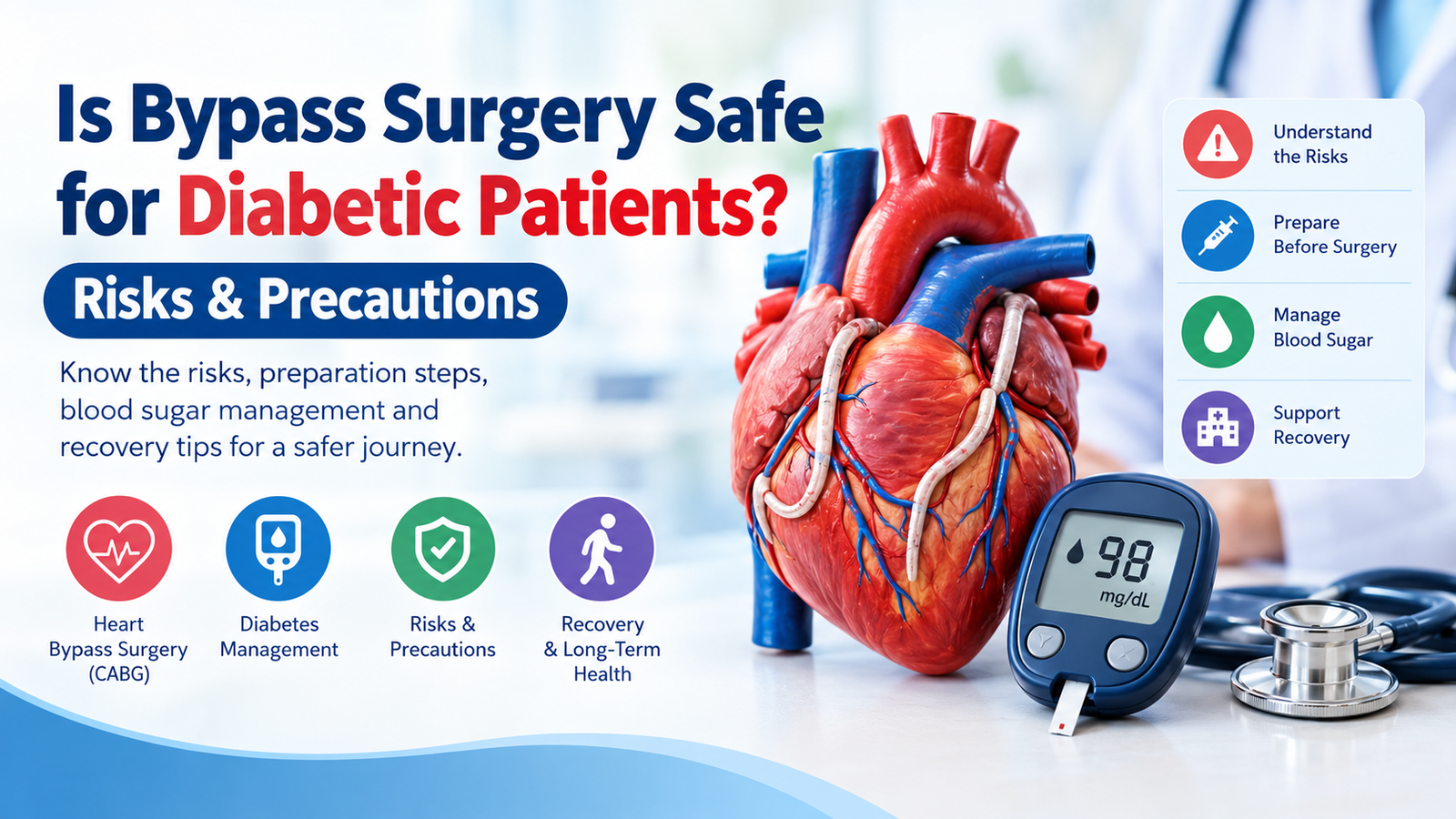
This guide explains the potential risks, preoperative precautions, blood sugar management and recovery considerations for diabetic patients undergoing heart bypass surgery.
What Is Heart Bypass Surgery?
Coronary artery bypass grafting is a surgical procedure used to improve blood flow to the heart muscle.
During the operation, the cardiac surgeon uses a healthy blood vessel, called a graft, to create a new route around a narrowed or blocked coronary artery. The graft may be taken from the chest, arm or leg, depending on the patient’s needs and the surgical plan.
The purpose is to help restore blood supply to areas of the heart that are not receiving enough oxygen-rich blood.
A cardiac team may consider bypass surgery when a patient has:
- Significant narrowing or blockage in multiple coronary arteries.
- Complex coronary artery disease.
- Certain blockages involving the left main coronary artery.
- Persistent symptoms despite appropriate medical treatment.
- Coronary artery disease for which bypass surgery is considered more suitable than angioplasty.
The final treatment recommendation depends on the patient’s individual condition and the findings of cardiac investigations.
Is Bypass Surgery Safe for Diabetic Patients?
Yes, bypass surgery can be performed safely in many diabetic patients when the potential benefits outweigh the risks and appropriate precautions are taken. However, no major heart operation is completely risk-free.
Diabetes can affect blood vessels, kidney function, immune response and wound healing. These factors may make the surgical process more complex than it is for some patients without diabetes.
Before recommending CABG, the cardiac team evaluates the patient’s overall health, the extent of coronary artery blockages and the risks associated with both surgery and alternative treatments.
For patients with diabetes and multivessel coronary artery disease, particularly when important major arteries are involved, bypass surgery may be preferred over angioplasty in certain circumstances. The decision should be made by a multidisciplinary Heart Team, considering the coronary anatomy, surgical risk, other medical conditions and the patient’s preferences.
Having diabetes should therefore prompt careful assessment and planning, rather than automatically ruling out surgery.
Why Does Diabetes Increase the Risk of Heart Disease?
Diabetes affects the way the body regulates glucose. Over time, elevated blood glucose and associated metabolic changes can damage blood vessels and contribute to atherosclerosis, the buildup of fatty deposits within artery walls.
People with diabetes may also have other cardiovascular risk factors, including:
- High blood pressure.
- Elevated LDL cholesterol.
- Chronic kidney disease.
- Excess body weight.
- Reduced physical activity.
- A history of smoking.
These factors can increase the likelihood of developing coronary artery disease.
Some people with diabetes may experience less obvious symptoms of heart disease. Therefore, symptoms such as unusual breathlessness, unexplained fatigue or discomfort during physical activity should be assessed by a healthcare professional rather than ignored.
What Are the Risks of Bypass Surgery in Diabetic Patients?
The risks vary from person to person. Diabetes may increase the likelihood of certain complications, particularly when blood sugar is poorly controlled or other medical conditions are present.
1. Wound Infection
People with diabetes may have a higher risk of surgical wound infections because elevated blood glucose can interfere with immune function and wound healing.
The surgical team may take additional precautions, including glucose monitoring, appropriate antibiotic use, sterile wound care and careful observation after surgery.
2. Delayed Wound Healing
Healing can take longer in patients with diabetes, especially when blood circulation is poor or glucose levels remain elevated.
If a graft is taken from the leg or arm, the team will provide instructions on keeping the incision clean, monitoring swelling and recognising signs of infection.
3. Blood Sugar Fluctuations
Surgery places stress on the body, which can raise blood glucose levels. At the same time, fasting, changes in diet and diabetes medications can cause glucose levels to fall.
Both high and low blood sugar require attention during the perioperative period. The medical team will establish an individualised glucose-monitoring and treatment plan before, during and after surgery.
4. Kidney Complications
Diabetes can affect kidney function. Major surgery, changes in blood pressure and certain medications may place additional stress on the kidneys.
Doctors may check kidney function before surgery and monitor it during recovery, especially in patients who already have chronic kidney disease.
5. Heart Rhythm Problems
Abnormal heart rhythms can occur after bypass surgery. The risk depends on several factors, including age, heart function and the complexity of the procedure.
The hospital team monitors heart rhythm and treats complications when necessary.
6. Bleeding and Other Surgical Complications
As with any major operation, CABG can involve bleeding, blood clots, stroke, heart attack and other serious complications. Some patients may require additional treatment or a longer hospital stay.
The likelihood of these events depends on the patient’s overall condition and the details of the operation.
7. Longer Recovery
Patients with diabetes may require closer monitoring and additional wound care during recovery. Poor circulation, kidney disease and other complications can also affect rehabilitation.
However, recovery differs considerably between individuals. Diabetes alone cannot predict how quickly a particular patient will recover.
What Precautions Should Diabetic Patients Take Before Bypass Surgery?
Preparation is an important part of care for patients with diabetes. The following steps can help the medical team assess and manage potential risks.
1. Review Blood Sugar Control
The doctor may review recent glucose readings and the HbA1c test, which provides an estimate of average blood glucose over the preceding two to three months.
The appropriate glucose targets depend on the patient’s clinical situation. Surgery should not be delayed solely to achieve an arbitrary HbA1c value without a careful assessment of the cardiac urgency and overall risks.
2. Evaluate Kidney Function
Blood and urine tests may be used to assess kidney health. If kidney function is reduced, the medical team may adjust medication doses, fluid management and postoperative monitoring.
3. Review All Medications
Patients should provide a complete list of their medicines, including insulin, oral diabetes medicines, blood thinners, blood pressure medicines and supplements.
Some medicines need adjustment or temporary interruption around surgery. These decisions must be made by the treating team.
Never stop insulin or change diabetes medication doses independently before surgery.
4. Assess Heart Function and Coronary Blockages
Investigations may include an electrocardiogram, echocardiogram, coronary angiography and other tests according to the patient’s condition.
These results help the Heart Team understand the extent of disease and decide whether bypass surgery is appropriate.
5. Discuss Smoking and Nutrition
Smoking cessation, balanced nutrition and appropriate physical activity can support cardiovascular health. Patients should follow their medical team’s advice, particularly if surgery is planned soon.
6. Plan Postoperative Support
Patients and family members should understand the expected hospital stay, wound-care instructions, glucose-monitoring arrangements and follow-up schedule.
Preparing for recovery before admission can make the transition home easier.
How Is Blood Sugar Managed During Bypass Surgery?
Blood glucose management is a central part of care for diabetic patients undergoing CABG.
The medical team may monitor glucose frequently and use insulin, including intravenous insulin when clinically indicated, to maintain glucose within an appropriate range.
The plan may involve several stages:
Before surgery: The team reviews glucose readings, HbA1c, current medication and fasting instructions.
During surgery: Glucose is monitored and treated according to the hospital’s cardiac surgery protocol.
After surgery: Glucose monitoring continues in the intensive care unit and ward. Insulin or other medicines may be adjusted as the patient resumes eating and activity.
After discharge: The diabetes treatment plan is reviewed and modified as necessary, with instructions for home monitoring and follow-up.
The aim is to avoid significant hyperglycaemia and hypoglycaemia while supporting healing and recovery. The precise target and treatment approach should be individualised by the treating team.
What Is Recovery Like After Bypass Surgery for Diabetic Patients?
Recovery depends on the patient’s age, heart function, kidney health, glucose control, surgical technique and whether complications occur.
Immediately After Surgery
Patients are generally monitored in an intensive care or high-dependency setting. The team checks heart function, blood pressure, oxygen levels, glucose, kidney function and surgical wounds.
During the Hospital Stay
As the patient’s condition improves, the team gradually introduces movement, breathing exercises, nutrition and other aspects of recovery.
Blood glucose levels and wounds receive particular attention in patients with diabetes.
After Discharge
Patients should follow their discharge instructions and attend scheduled reviews. They may need continued wound checks, glucose monitoring, medication adjustments and a cardiac rehabilitation programme.
Seek medical advice promptly for increasing redness, warmth, swelling, wound discharge, fever or worsening pain around an incision.
Recovery is not identical for everyone, so patients should ask their cardiac surgeon when they can safely resume specific activities.
How Can Diabetic Patients Support Recovery After Bypass Surgery?
Following a structured recovery plan can support healing and long-term cardiovascular health.
- Monitor blood glucose: Follow the prescribed schedule and report repeated high or low readings.
- Take medicines as directed: Do not stop prescribed heart or diabetes medication without medical advice.
- Follow wound-care instructions: Keep incisions clean and observe them for changes.
- Attend follow-up appointments: These allow the team to assess healing, heart health and diabetes control.
- Participate in cardiac rehabilitation: If recommended, a supervised programme can help patients gradually rebuild strength and improve cardiovascular fitness.
- Follow a heart-healthy eating pattern: Choose a balanced diet suited to diabetes, kidney function and other medical conditions.
- Avoid smoking: Smoking cessation supports cardiovascular health and healing.
- Increase activity gradually: Follow the surgeon’s guidance on walking, lifting, driving and returning to work.
Patients with diabetes should not make major changes to diet, medication or exercise without considering their recovery needs and the advice of their healthcare team.
Is Bypass Surgery Better Than Angioplasty for Diabetic Patients?
There is no single answer for every patient.
Angioplasty involves opening a narrowed artery using a catheter and usually placing a stent. Bypass surgery creates a new route for blood to flow around blocked coronary arteries.
For certain patients with diabetes and multivessel coronary artery disease, CABG may offer advantages in long-term outcomes and reduce the likelihood of needing additional revascularisation procedures. In other circumstances, angioplasty or medical management may be appropriate.
The decision depends on:
- The number and location of blocked arteries.
- The complexity of coronary artery disease.
- Heart pumping function.
- Kidney health and other medical conditions.
- The expected benefits and risks of each treatment.
- The patient’s preferences and overall treatment goals.
A cardiologist and cardiac surgeon can review the angiogram and other clinical findings to discuss the most suitable options.
When Should a Diabetic Patient Consult a Cardiac Surgeon?
A consultation may be appropriate when a cardiologist identifies significant coronary artery blockages, recommends bypass surgery or believes that surgical treatment should be considered.
Patients should bring their available medical records, including angiography reports, recent blood tests, HbA1c results, kidney function reports and a list of current medicines.
The consultation is an opportunity to understand the diagnosis, discuss treatment options, review potential complications and plan diabetes management around the procedure.
Do not postpone emergency assessment while waiting for a routine appointment if symptoms suggest a possible heart attack.
Frequently Asked Questions
1. Can a person with diabetes undergo bypass surgery?
Yes. Many people with diabetes undergo CABG. Suitability depends on coronary artery disease, overall health, kidney function, glucose management and the expected benefits and risks.
2. Does diabetes make bypass surgery more dangerous?
Diabetes can increase the risk of infection, delayed wound healing, kidney complications and other adverse outcomes. Individual risk varies, and appropriate monitoring and medical management can help address these concerns.
3. What HbA1c level is required before bypass surgery?
There is no single HbA1c threshold that determines whether every patient can undergo bypass surgery. Doctors consider glucose control alongside the urgency of treatment, cardiac condition and other medical risks.
4. Can blood sugar increase after bypass surgery?
Yes. Surgical stress, inflammation, changes in nutrition and certain medicines can raise glucose levels. The hospital team monitors glucose and provides treatment when required.
5. How long does recovery take for diabetic patients?
Recovery varies according to overall health, surgical complexity, wound healing and complications. The treating surgeon can provide a more appropriate estimate based on the individual patient’s condition.
6. Can a diabetic patient have another heart problem after bypass surgery?
Yes. Bypass surgery improves blood flow but does not eliminate the underlying tendency to develop coronary artery disease. Continued medical treatment, diabetes management and cardiovascular risk reduction remain important.
7. What foods should diabetic patients eat after bypass surgery?
A balanced, heart-healthy eating plan may include vegetables, suitable portions of whole grains, lean protein and unsaturated fats. The exact plan should account for glucose control, kidney function, appetite and the patient’s recovery needs.
8. Is bypass surgery suitable for older diabetic patients?
Age alone does not determine suitability. Doctors consider frailty, heart function, kidney health, other medical conditions, independence and the likely benefits of treatment.
Conclusion
Bypass surgery can be an appropriate and beneficial treatment for many patients with diabetes and significant coronary artery disease. However, careful assessment is essential because diabetes can increase the risk of infection, delayed healing, glucose fluctuations and other complications.
Good preparation, individualised blood sugar management, appropriate surgical planning and regular postoperative follow-up are important parts of care.
If you or a family member has diabetes and has been advised to consider heart bypass surgery, discuss the available treatment options, expected benefits and individual risks with a qualified cardiac team.
Dr. BrajMohan Singh
For information about cardiac surgical care and consultation, visit bimabypass.com and use the website’s available contact or appointment details.