Introduction
Heart disease remains one of the leading health concerns worldwide, making the choice of a heart surgeon one of the most important healthcare decisions a patient can make. Whether you require coronary artery bypass surgery, valve replacement, minimally invasive cardiac surgery, or treatment for a complex vascular condition, selecting the right specialist can significantly influence your recovery and long-term health.
Many patients search online for the Best CTVS Surgeon, hoping to find the most qualified expert for their condition. However, choosing a surgeon should go beyond advertisements, rankings, or online reviews. The best Cardiothoracic and Vascular Surgeon (CTVS) is someone who combines extensive experience, advanced surgical expertise, patient-focused care, and a commitment to achieving the best possible outcomes.
This comprehensive guide explains the ten most important factors every heart patient should consider when selecting a CTVS surgeon. It also highlights why experience, communication, and modern surgical techniques matter in ensuring successful treatment.
With 15+ years of experience in Cardiothoracic and Vascular Surgery, Dr. BrajMohan Singh has helped numerous patients navigate complex heart conditions through personalized treatment plans and evidence-based surgical care.
What Is a CTVS Surgeon?
A CTVS Surgeon is a specialist trained in Cardiothoracic and Vascular Surgery, focusing on the diagnosis and surgical treatment of diseases affecting:
- The heart
- Blood vessels
- Lungs
- Chest cavity
- Aorta
- Peripheral vascular system
CTVS surgeons perform a variety of life-saving procedures, including:
- Coronary artery bypass grafting (CABG)
- Heart valve repair and replacement
- Aortic aneurysm surgery
- Minimally invasive cardiac surgery
- Congenital heart defect correction
- Vascular surgeries
Choosing an experienced CTVS surgeon can make a significant difference in treatment success and patient outcomes.
Why Choosing the Right CTVS Surgeon Matters
Heart surgery is often a major procedure that requires precision, expertise, and careful planning.
The right surgeon can help:
- Reduce surgical risks
- Improve recovery time
- Minimize complications
- Enhance long-term outcomes
- Provide confidence and peace of mind
A highly skilled surgeon not only operates but also guides patients through diagnosis, treatment planning, surgery, and recovery.
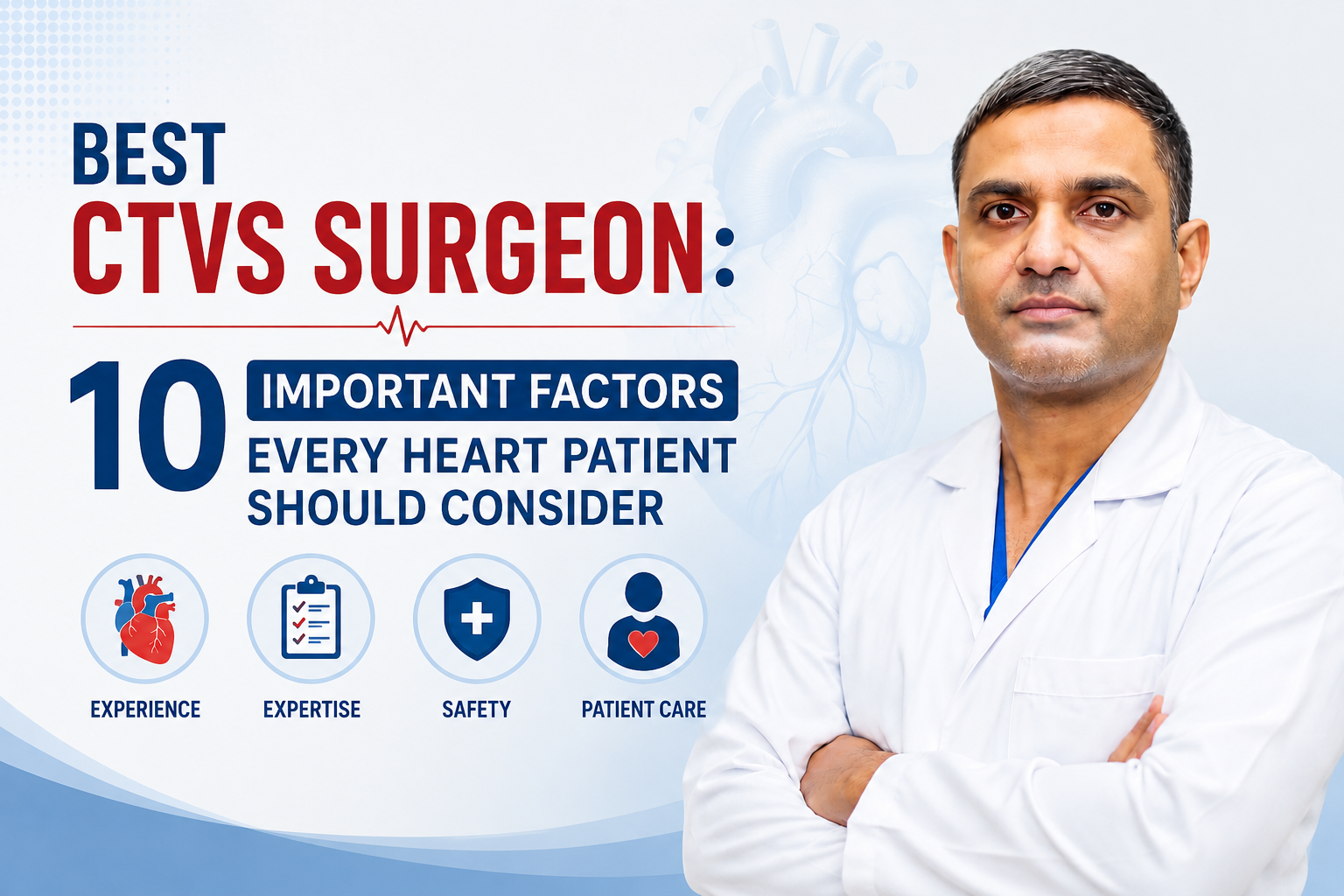
10 Important Factors Every Heart Patient Should Consider
1. Years of Surgical Experience
Experience is one of the strongest indicators of surgical expertise.
A surgeon who has spent years treating cardiac and vascular conditions has likely encountered a wide range of complex cases. This exposure helps improve decision-making, technical skills, and complication management.
When evaluating a surgeon, ask:
- How many years have they practiced?
- How many procedures have they performed?
- Do they regularly treat conditions similar to yours?
With 15+ years of experience, Dr. BrajMohan Singh has built extensive expertise in managing diverse cardiac and vascular conditions using both traditional and advanced surgical techniques.
2. Specialized Training and Qualifications
The best CTVS surgeons undergo years of specialized training beyond medical school.
Patients should verify:
- Medical qualifications
- Specialty certifications
- Fellowship training
- Professional memberships
- Continuing medical education
Medicine evolves rapidly, and surgeons who stay updated with modern practices are better positioned to offer advanced treatment options.
3. Expertise in Advanced Cardiac Procedures
Modern heart surgery is no longer limited to traditional open-heart techniques.
Today, many surgeons perform:
- Keyhole cardiac surgery
- Minimally invasive cardiac surgery
- Robotic-assisted procedures
- Hybrid cardiovascular interventions
These innovations may offer:
- Smaller incisions
- Reduced pain
- Faster recovery
- Lower infection risk
Patients should ask whether their surgeon has experience with minimally invasive options and whether they are suitable candidates.
4. Strong Surgical Outcomes
A surgeon’s outcomes provide valuable insight into their expertise.
Important indicators include:
- Surgical success rates
- Patient satisfaction
- Complication rates
- Long-term treatment outcomes
While no surgeon can guarantee results, a strong history of successful procedures often reflects consistent quality care.
5. Clear Communication and Transparency
Heart surgery can be overwhelming for patients and families.
The best CTVS surgeons take time to:
- Explain diagnoses clearly
- Discuss treatment options
- Answer questions honestly
- Outline risks and benefits
Good communication helps patients feel informed and empowered throughout the treatment process.
6. Patient-Centered Care
Every patient’s condition is unique.
The best surgeons avoid one-size-fits-all approaches and instead create individualized treatment plans based on:
- Medical history
- Lifestyle
- Diagnostic findings
- Surgical goals
Patient-centered care contributes to improved satisfaction and better clinical outcomes.
7. Hospital Infrastructure and Technology
The quality of the hospital can significantly influence surgical outcomes.
Look for hospitals that offer:
- Advanced operating rooms
- Cardiac intensive care units
- Modern imaging systems
- Dedicated cardiac rehabilitation programs
Experienced surgeons often work within institutions equipped with the latest technology and multidisciplinary support teams.
8. Expertise in Minimally Invasive Surgery
Minimally invasive procedures have transformed cardiac surgery.
Benefits may include:
- Smaller scars
- Less pain
- Reduced blood loss
- Faster recovery
- Shorter hospital stays
However, these techniques require specialized skills and training.
Patients seeking advanced treatment options should inquire about their surgeon’s experience with minimally invasive cardiac surgery.
9. Commitment to Safety
Safety should always be the top priority.
Leading CTVS surgeons follow strict protocols to ensure:
- Thorough preoperative evaluation
- Careful surgical planning
- Infection prevention
- Postoperative monitoring
A safety-first approach helps reduce complications and improve patient confidence.
10. Compassion and Trust
Technical expertise is essential, but compassion matters too.
Patients often remember how their surgeon made them feel during one of the most stressful periods of their lives.
The best CTVS surgeons:
- Listen carefully
- Respect patient concerns
- Provide emotional support
- Maintain open communication
Trust forms the foundation of a successful doctor-patient relationship.
Questions You Should Ask Before Choosing a CTVS Surgeon
Before proceeding with surgery, consider asking:
How many years of experience do you have?
How many procedures like mine have you performed?
Am I a candidate for minimally invasive surgery?
What are the potential risks and benefits?
What can I expect during recovery?
What lifestyle changes will be necessary after surgery?
These questions can help patients make informed decisions and better understand their treatment options.
Why Experience Matters in Heart Surgery
Experience often translates into confidence, efficiency, and improved outcomes.
An experienced surgeon develops:
- Superior technical skills
- Better judgment during complex cases
- Stronger complication management strategies
- Enhanced patient communication
This is one reason many patients prioritize experience when searching for the Best CTVS Surgeon.
With more than 15 years of experience, Dr. BrajMohan Singh has remained committed to delivering high-quality cardiovascular and thoracic surgical care while embracing advancements in modern cardiac treatment.
The Growing Importance of Minimally Invasive Heart Surgery
Over the past decade, minimally invasive heart surgery has gained popularity among patients and surgeons alike.
Advantages may include:
- Reduced surgical trauma
- Faster recovery
- Lower infection rates
- Improved cosmetic results
- Earlier return to daily activities
However, not all patients are suitable candidates.
An experienced surgeon can evaluate individual circumstances and determine whether minimally invasive techniques are appropriate.
Common Mistakes Patients Make When Choosing a Heart Surgeon
Many patients focus solely on:
- Online ratings
- Cost considerations
- Advertising claims
While these factors may provide useful information, they should not replace careful evaluation of:
- Experience
- Qualifications
- Surgical expertise
- Communication skills
- Patient outcomes
The goal should always be finding the most appropriate surgeon for your specific condition.
Why Patients Trust Experienced Surgeons Like Dr. BrajMohan Singh
Choosing a heart surgeon is ultimately about trust.
Patients often seek specialists who combine:
- Extensive experience
- Advanced surgical knowledge
- Personalized care
- Ethical medical practice
- Strong patient communication
With 15+ years of experience in Cardiothoracic and Vascular Surgery, Dr. BrajMohan Singh is dedicated to helping patients understand their diagnosis, evaluate treatment options, and receive individualized care tailored to their unique needs.
His patient-focused approach emphasizes safety, transparency, and evidence-based treatment strategies designed to support long-term heart health.
Frequently Asked Questions
Who is the best CTVS surgeon?
The best CTVS surgeon is one who possesses extensive experience, specialized training, strong surgical outcomes, and a commitment to patient-centered care.
What does a CTVS surgeon do?
A CTVS surgeon specializes in surgical treatment of diseases affecting the heart, lungs, chest, and blood vessels.
How many years of experience should a heart surgeon have?
While there is no fixed requirement, many patients prefer surgeons with significant experience managing a wide range of cardiovascular conditions.
Can a CTVS surgeon perform minimally invasive heart surgery?
Yes. Many experienced CTVS surgeons are trained in minimally invasive and keyhole cardiac surgery techniques.
What should I ask before heart surgery?
Patients should ask about experience, treatment options, surgical risks, recovery timelines, and long-term outcomes.
Why is experience important in heart surgery?
Experience contributes to improved decision-making, technical expertise, complication management, and patient confidence.
Is minimally invasive heart surgery better than open-heart surgery?
The best approach depends on the patient’s condition. An experienced surgeon can recommend the most appropriate treatment option.
Final Thoughts
Choosing the Best CTVS Surgeon is one of the most important decisions a heart patient can make. Experience, qualifications, communication, safety standards, and expertise in advanced surgical techniques all play vital roles in achieving successful outcomes.
Patients should take the time to research their options, ask questions, and seek a surgeon who combines technical excellence with compassionate care.
With 15+ years of experience, Dr. BrajMohan Singh continues to help patients navigate complex cardiovascular conditions through personalized treatment plans, modern surgical approaches, and a commitment to improving long-term heart health. By prioritizing patient safety, transparency, and evidence-based care, he strives to deliver the highest standards of cardiovascular and thoracic surgical treatment.