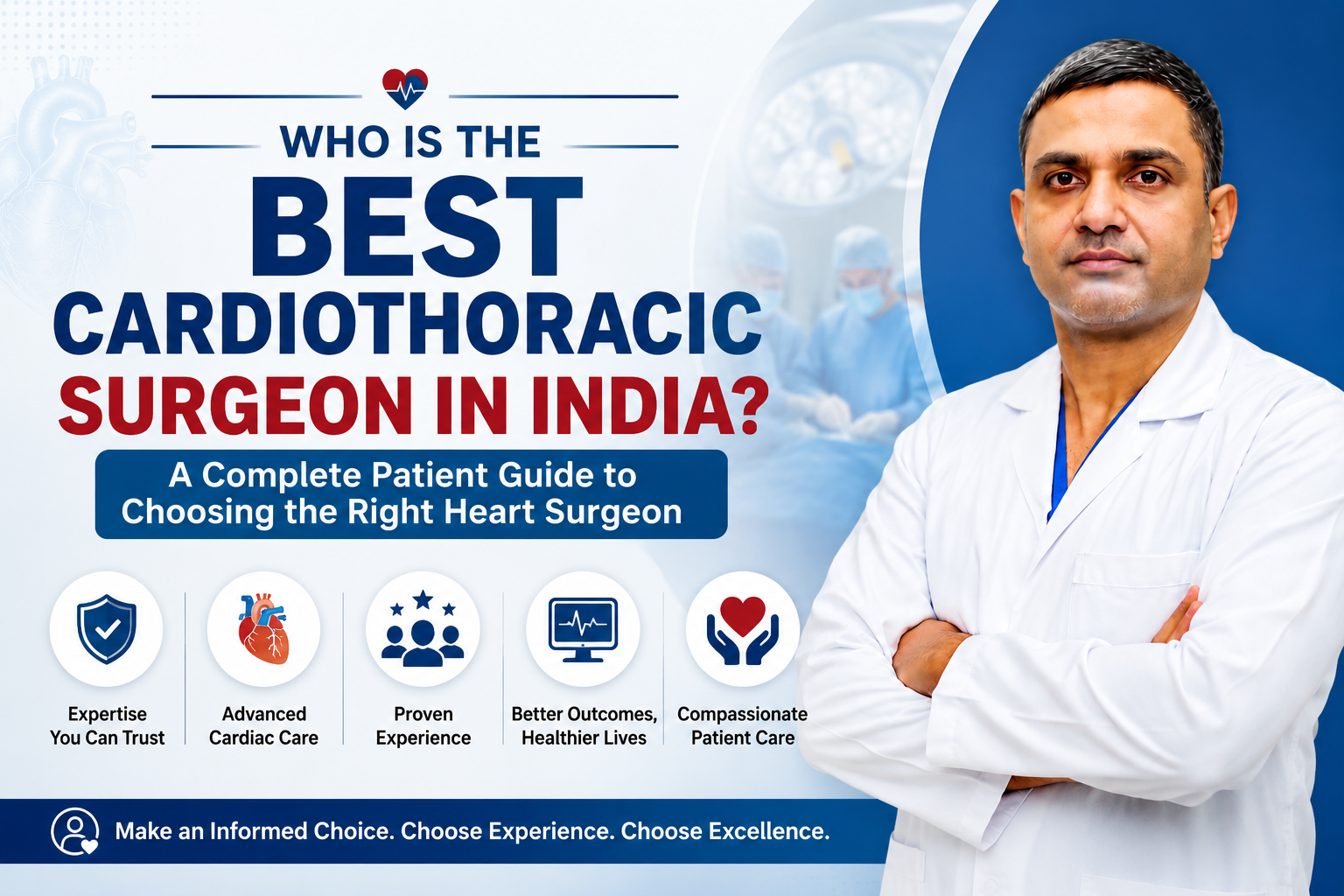
Who Is the Best Cardiothoracic Surgeon in India?
If you or a loved one has been diagnosed with a heart condition requiring surgery, one of the first questions that naturally comes to mind is, “Who is the best cardiothoracic surgeon in India?”
The answer is not simply a person’s name. The best cardiothoracic surgeon for one patient may not be the ideal choice for another. The right surgeon depends on several factors, including the type of heart condition, the complexity of the surgery, the surgeon’s experience, the hospital’s infrastructure, patient outcomes, and the quality of care provided before and after the procedure.
India is home to many highly qualified cardiothoracic surgeons who perform thousands of successful heart surgeries every year. Whether you need coronary artery bypass grafting (CABG), minimally invasive cardiac surgery, valve replacement, or complex aortic surgery, choosing an experienced surgeon can have a significant impact on your treatment journey and recovery.
This guide explains what a cardiothoracic surgeon does, the qualities that define an excellent heart surgeon, the questions every patient should ask before surgery, and practical tips for making an informed decision.
What Is a Cardiothoracic Surgeon?
A cardiothoracic surgeon is a medical specialist trained to perform surgical procedures involving the heart, lungs, chest, esophagus, and major blood vessels within the chest.
Many patients confuse a cardiologist with a cardiothoracic surgeon. Although both specialists care for heart health, their roles are different.
A cardiologist diagnoses and treats heart disease using medications, lifestyle management, and minimally invasive procedures such as angioplasty. A cardiothoracic surgeon performs operations when surgery is the most effective treatment option.
Common procedures performed by cardiothoracic surgeons include:
- Coronary artery bypass grafting (CABG)
- BIMA (Bilateral Internal Mammary Artery) bypass surgery
- Heart valve repair
- Heart valve replacement
- Minimally invasive cardiac surgery (MICS)
- Aortic aneurysm surgery
- Congenital heart defect surgery
- Redo cardiac surgery
- Beating-heart (off-pump) bypass surgery
Because these operations are highly specialized, selecting the right surgeon is one of the most important healthcare decisions a patient can make.
Why Choosing the Right Heart Surgeon Matters
Heart surgery is a major procedure that requires precision, experience, teamwork, and advanced technology.
A skilled cardiothoracic surgeon contributes to:
- Accurate diagnosis
- Personalized treatment planning
- Lower risk of complications
- Better surgical outcomes
- Faster recovery
- Improved long-term quality of life
Experience also matters when dealing with complex cases such as multiple blocked arteries, repeat bypass surgeries, valve disease, or combined cardiac procedures.
Patients often focus only on the hospital. While hospital infrastructure is important, the surgeon’s expertise plays an equally critical role in achieving successful outcomes.
What Makes a Cardiothoracic Surgeon One of the Best?
Instead of searching only for rankings or advertisements, evaluate surgeons using objective and patient-focused criteria.
1. Specialized Education and Training
A qualified cardiothoracic surgeon completes extensive medical education followed by years of advanced surgical training.
Look for surgeons who have:
- Recognized medical qualifications
- Specialized CTVS (Cardiovascular and Thoracic Surgery) training
- Continuous professional development
- Membership in respected cardiac societies
- Experience with modern surgical techniques
Advanced training helps surgeons stay updated with evolving technologies and evidence-based practices.
2. Extensive Surgical Experience
Experience is one of the strongest indicators of surgical expertise.
A surgeon who has successfully performed a large number of cardiac procedures is likely to have encountered a wide range of clinical situations and developed the judgment needed to manage both routine and complex cases.
Experience becomes especially valuable in surgeries such as:
- Triple vessel bypass surgery
- BIMA bypass surgery
- Valve repair
- Redo heart surgery
- High-risk cardiac procedures
When consulting a surgeon, patients should feel comfortable asking about their experience with the specific operation being recommended.
3. Expertise in Multiple Cardiac Procedures
Not every heart condition requires the same treatment.
The ideal cardiothoracic surgeon should have expertise in several surgical approaches, allowing treatment to be tailored to the patient’s needs.
These may include:
Coronary Artery Bypass Surgery (CABG)
One of the most common procedures for treating blocked coronary arteries by improving blood flow to the heart.
BIMA Bypass Surgery
This advanced technique uses both internal mammary arteries for bypass grafting. For suitable patients, it may provide excellent long-term durability and outcomes.
Minimally Invasive Cardiac Surgery
Selected patients may benefit from smaller incisions, reduced blood loss, shorter hospital stays, and faster recovery compared with conventional open-heart surgery.
Valve Surgery
Heart valve repair is often preferred when feasible because it preserves the patient’s own valve. Valve replacement may be necessary when repair is not possible.
A surgeon experienced across these procedures can recommend the most appropriate option rather than a one-size-fits-all approach.
Why Experience and Trust Matter
Choosing a cardiothoracic surgeon is about more than credentials. Patients should feel confident that their surgeon listens carefully, explains complex medical information in understandable language, answers questions patiently, and provides realistic expectations.
Trust develops through transparent communication, compassionate care, and a commitment to evidence-based treatment.
Many experienced surgeons, including specialists such as Dr. Brajmohan Singh, are recognized by patients for combining advanced surgical expertise with individualized care and a focus on long-term recovery. When evaluating any surgeon, consider their qualifications, experience, areas of specialization, and whether they take the time to help you make an informed decision.
Selecting the right surgeon is one of the most important steps in your heart health journey, and taking the time to evaluate your options carefully can make a meaningful difference.
12 Questions to Ask Before Choosing a Heart Surgeon
Selecting a cardiothoracic surgeon is one of the most important healthcare decisions you will ever make. Asking the right questions during your consultation can help you understand your treatment options and make an informed choice.
1. What is your experience with my condition?
Every heart condition is unique. Ask whether the surgeon has experience treating patients with a diagnosis similar to yours. A surgeon who regularly performs the procedure recommended for your condition is often well equipped to manage both routine and complex situations.
2. How many procedures like mine have you performed?
Experience matters, particularly in cardiac surgery. Understanding a surgeon’s experience with your specific operation can help you feel more confident about your treatment plan.
3. Is surgery the only option?
Not every patient requires immediate surgery. In some cases, medication, lifestyle changes, angioplasty, or careful monitoring may be appropriate. A trustworthy surgeon will explain all suitable treatment options and recommend surgery only when it offers the greatest benefit.
4. Which surgical technique is best for me?
Heart surgery is not a one-size-fits-all treatment. Depending on your condition, your surgeon may recommend:
- Coronary artery bypass grafting (CABG)
- BIMA bypass surgery
- Off-pump (beating-heart) bypass surgery
- Minimally invasive cardiac surgery
- Heart valve repair or replacement
Understanding why a particular approach is recommended helps you make an informed decision.
5. What are the benefits and risks?
Every surgical procedure has potential benefits and risks. Your surgeon should explain these clearly, discuss possible complications, and answer your questions honestly.
6. How should I prepare for surgery?
Preparation may include blood tests, imaging studies, medication adjustments, dietary recommendations, and lifestyle modifications. Following these instructions can help support a smoother surgical experience.
7. What will recovery look like?
Recovery varies depending on the procedure and the individual’s overall health. Ask about expected hospital stay, activity restrictions, rehabilitation, and when you can return to work or daily activities.
8. Will I need cardiac rehabilitation?
Many patients benefit from supervised cardiac rehabilitation after surgery. These programs combine exercise, education, nutrition guidance, and emotional support to help patients recover safely.
9. What lifestyle changes should I make?
Heart surgery treats structural heart disease, but maintaining long-term heart health often requires healthy lifestyle habits, including a balanced diet, regular physical activity, smoking cessation, stress management, and routine medical follow-up.
10. Who will be involved in my care?
Successful heart surgery involves a multidisciplinary team that may include cardiologists, anesthesiologists, intensivists, nurses, physiotherapists, dietitians, and rehabilitation specialists.
11. What follow-up care will I need?
Ask about follow-up appointments, medications, wound care, and warning signs that require medical attention after discharge.
Why Many Patients Choose Dr. Brajmohan Singh
When evaluating any heart surgeon, patients often look for a combination of experience, expertise, compassionate care, and personalized treatment.
Dr. Brajmohan Singh is known for his focus on evidence-based cardiac care and expertise in a range of cardiothoracic procedures, including:
- Coronary artery bypass grafting (CABG)
- BIMA bypass surgery
- Off-pump (beating-heart) bypass surgery
- Minimally invasive cardiac surgery
- Heart valve surgery
- Complex cardiac procedures
Patients frequently value surgeons who take time to explain diagnoses, discuss treatment options, and involve them in decision-making. A patient-centered approach helps individuals and families better understand the surgical process and recovery expectations.
When choosing a surgeon, always consider verifiable qualifications, clinical experience, areas of specialization, and whether you feel comfortable discussing your concerns openly during consultations.
Recovery After Heart Surgery
Recovery is an important part of the overall treatment journey. While every patient heals at a different pace, several general recommendations can support recovery:
- Take medications exactly as prescribed.
- Attend all follow-up appointments.
- Follow your surgeon’s activity recommendations.
- Eat a heart-healthy diet rich in fruits, vegetables, whole grains, and lean protein.
- Participate in cardiac rehabilitation if advised.
- Avoid smoking and limit alcohol consumption.
- Report symptoms such as chest pain, fever, increasing shortness of breath, or wound problems promptly.
Most patients gradually regain strength over several weeks, although complete recovery depends on the type of surgery performed and individual health factors.
Frequently Asked Questions
What does a cardiothoracic surgeon do?
A cardiothoracic surgeon performs operations on the heart, lungs, chest, and major blood vessels. Common procedures include bypass surgery, valve repair, valve replacement, and minimally invasive cardiac surgery.
When should I see a cardiothoracic surgeon?
You may be referred to a cardiothoracic surgeon if you have severe coronary artery disease, significant heart valve disease, certain congenital heart defects, or other conditions where surgery is recommended.
Is heart surgery always necessary?
No. Many heart conditions can be managed with medication or minimally invasive procedures. Surgery is recommended only when it is considered the most appropriate treatment option.
What is CABG surgery?
Coronary artery bypass grafting (CABG) improves blood flow to the heart by creating new pathways around blocked coronary arteries using healthy blood vessels from other parts of the body.
What is BIMA bypass surgery?
BIMA (Bilateral Internal Mammary Artery) bypass surgery uses both internal mammary arteries for bypass grafting. For selected patients, this technique may provide excellent long-term durability.
Is minimally invasive heart surgery safe?
For appropriately selected patients, minimally invasive cardiac surgery can offer benefits such as smaller incisions, less blood loss, and faster recovery. Your surgeon will determine whether you are a suitable candidate.
How long does recovery take after bypass surgery?
Many patients resume light daily activities within several weeks, but complete recovery may take longer depending on the procedure performed and individual health factors.
Can elderly patients undergo heart surgery?
Yes. Age alone does not determine whether surgery is appropriate. Surgeons consider overall health, medical history, and expected benefits when recommending treatment.
What qualities should I look for in a heart surgeon?
Look for recognized qualifications, relevant surgical experience, expertise in your condition, clear communication, evidence-based care, and a multidisciplinary treatment approach.
Is it reasonable to get a second opinion?
Yes. Seeking a second opinion can help you better understand your diagnosis and treatment options before making an important healthcare decision.
Conclusion
Finding the best cardiothoracic surgeon in India is not about identifying a single “best” doctor. It is about choosing a surgeon whose qualifications, experience, communication, and patient-centered approach align with your specific medical needs.
Take time to understand your diagnosis, ask thoughtful questions, review treatment options, and select a surgeon you trust. An informed decision can contribute to a smoother treatment journey and greater confidence throughout the process.
If you have been advised to undergo heart surgery or would like a specialist evaluation, consulting an experienced cardiothoracic surgeon can help you understand your options and develop a personalized treatment plan based on current medical evidence.